Banking, Disguised: Scott on the embedded finance panel
Who owns the customer, who carries the risk, and whether embedded finance is distribution leverage or channel conflict. Four answers, one stage.
Banking, Disguised
Canadian Finance Summit, with Financeit, Walnut and The Nmbr Company

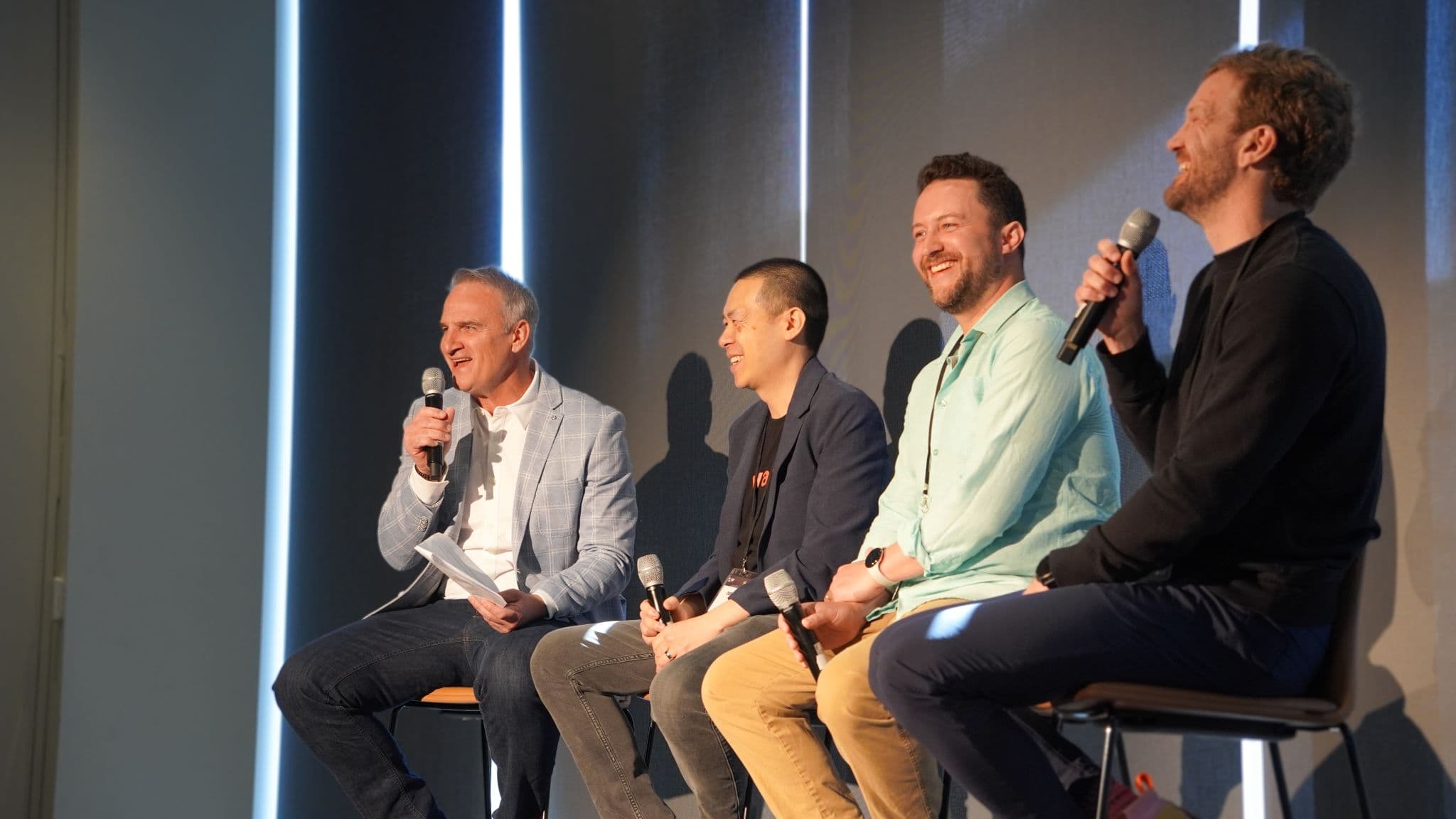
Scott Elliot joined the Canadian Lenders Association at the 2026 Canadian Finance Summit for a panel called Banking, Disguised: Embedded Finance and the Fight for Distribution.
On stage with him: Michael Garrity of Financeit, who sits on our board, Derek Szeto of Walnut Insurance, and Simon Bourgeois of The Nmbr Company.
The question the panel was actually about
Financial services keep showing up inside products that are not banks. Capital, cards and payments all promise scale that way. The room's worry is what happens next: margins compress, ownership blurs, and it stops being clear whose customer it is.
Three questions came out of that, and they are the right three.
Who owns the customer? The platform does, or the whole thing is a bad trade for them. If the customer learns the name of the company behind the money, the platform has rented out its relationship and been paid a referral fee for it. That is not what we sell.
Who carries the risk? We do. Every advance is funded in full through facilities we manage, and the loss sits with us rather than on the platform's balance sheet. A platform that is asked to hold credit risk to launch a capital product will not launch one, and it should not.
Leverage or channel conflict? It is leverage when the offer comes from something the platform can already see, and conflict when it is bolted on. A platform that watches money move knows when a business needs money. Nobody outside the platform can time that. Using it is the leverage. Selling the customer list is the conflict.
What we took away
The room agreed on more than it expected to. The disagreements were about where the work sits, not whether the shift is happening.
That is roughly our whole thesis: the platform keeps the product, the brand and the relationship, and someone else runs the underwriting, the money, the servicing, the compliance and the loss.
If you were there and want to keep arguing about it, come and find us.